
Guide to Historical Mosques in Istanbul
| Name | Construction Year | Founder | Architectural Style | Notable Feature |
|---|---|---|---|---|
| Hagia Sophia Grand Mosque | 537 AD | Justinian I | Byzantine and Ottoman | Massive central dome and historic mosaics |
| Sultan Ahmed Mosque | 1616 | Sultan Ahmed I | Classical Ottoman | Six minarets and blue Iznik tiles |
| Süleymaniye Mosque | 1557 | Sultan Suleiman the Magnificent | Classical Ottoman | Innovative acoustic system and Golden Horn views |
| Fatih Mosque | 1470 (rebuilt 1771) | Sultan Mehmed the Conqueror | Classical Ottoman | Houses the tomb of Sultan Mehmed II |
| Eyüp Sultan Mosque | 1458 (rebuilt 1800) | Sultan Mehmed the Conqueror | Classical Ottoman | Houses the tomb of Abu Ayyub al-Ansari |

Hagia Sophia Grand Mosque / Fatih, Istanbul
Why we picked it
Hagia Sophia Grand Mosque is an iconic architectural marvel that transitioned from a cathedral to a mosque throughout history. It is renowned for its massive dome, stunning Byzantine mosaics, and Islamic calligraphy. The site attracts millions of visitors and worshippers seeking to experience its profound historical and religious significance.
Pros
- Features breathtaking architecture with a massive historic dome.
- Holds immense historical, religious, and cultural significance.
- Located centrally in Sultanahmet Square near other major landmarks.
Cons
- Extremely crowded during peak tourist seasons.
- Entry fees for foreign tourists visiting for tourism have recently been implemented.
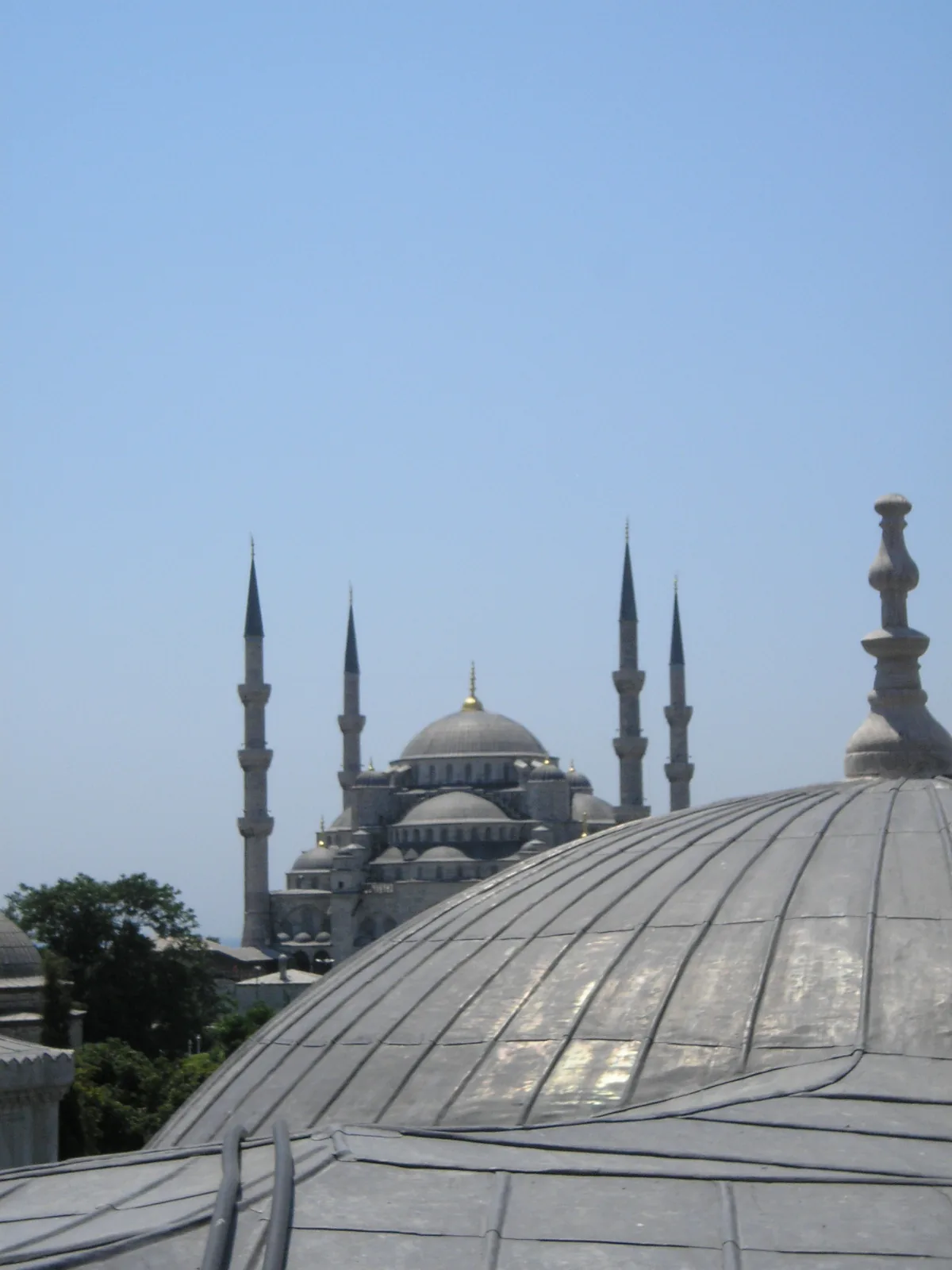
Sultan Ahmed Mosque (Blue Mosque) / Fatih, Istanbul
Why we picked it
The Sultan Ahmed Mosque, widely known as the Blue Mosque, is a historic Ottoman-era imperial mosque in Istanbul. It is famous for its striking six minarets and the intricate blue Iznik tiles decorating its interior walls. It remains a functioning place of worship and a major cultural landmark.
Pros
- Features a stunning interior decorated with tens of thousands of blue Iznik tiles.
- Boasts six unique minarets that form a prominent part of the Istanbul skyline.
- Centrally located in the historic Sultanahmet Square near major tourist attractions.
Cons
- Can be extremely crowded with tourists during peak seasons.
- Closes to non-worshipping visitors during the five daily prayer times.

Süleymaniye Mosque / Fatih, Istanbul
Why we picked it
Süleymaniye Mosque is a grand Ottoman imperial mosque located on the Third Hill of Istanbul, masterfully designed by Mimar Sinan. It is renowned for its majestic architecture, expansive courtyards, and sweeping panoramic views of the Golden Horn and Bosphorus.
Pros
- Offers breathtaking panoramic views of Istanbul and the Bosphorus.
- Features exceptional architecture reflecting the classical genius of Mimar Sinan.
- Provides a tranquil atmosphere, generally less crowded than other major city landmarks.
Cons
- Requires walking up a steep hill if approaching from the Eminönü area.
- Visitor access to the main prayer hall is restricted during the five daily prayer times.
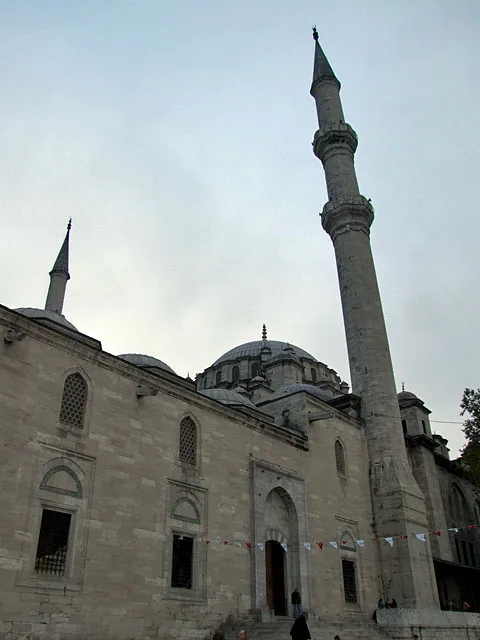
Fatih Mosque / Fatih, Istanbul
Why we picked it
Fatih Mosque is a monumental Ottoman imperial mosque situated in the historic Fatih district. Constructed by the order of Sultan Mehmed the Conqueror, it remains a focal point for worship and local community life, housing the highly visited tomb of the Sultan.
Pros
- Houses the historically significant tomb of Mehmed the Conqueror.
- Features stunning classical Ottoman architecture with a massive central dome.
- Offers a more authentic, local atmosphere compared to heavily tourist-focused areas.
Cons
- The surrounding area can be very congested with heavy traffic.
- Involves walking up steep inclines to reach the main complex.
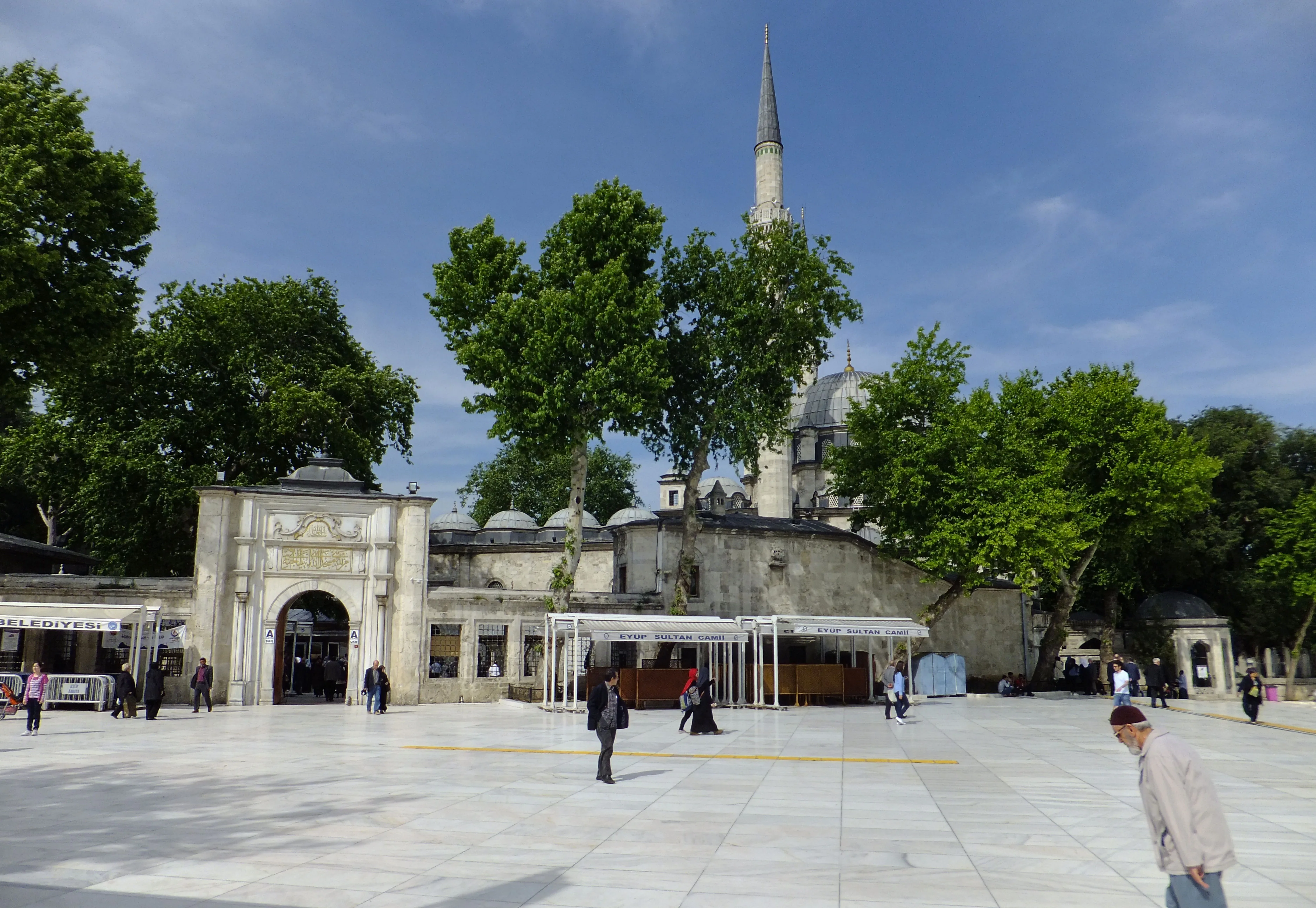
Eyüp Sultan Mosque / Eyüpsultan, Istanbul
Why we picked it
Eyüp Sultan Mosque is one of the most sacred religious and historical landmarks in the city. The complex houses the tomb of Abu Ayyub al-Ansari, making it a prominent spiritual destination. The mosque features charming classical Ottoman architecture and a serene atmosphere, surrounded by traditional markets.
Pros
- Holds immense religious and historical significance due to the companion's tomb.
- Features beautiful classical Ottoman architecture and a serene spiritual atmosphere.
- Surrounded by a vibrant local area featuring traditional markets and historic cafes.
Cons
- Can be extremely crowded during religious holidays and weekends.
- Located relatively far from the main tourist center in the historical peninsula.
_result.webp)
_result.webp)
_result.webp)
_result.webp)